

Metagenics MetaZinc Technical Information
Nutrients That May Assist
- Zinc
- Meta Zn - Zinc bisglycinate
- Vitamin B6
- Pyridoxal 5-phosphate monohydrate
- Manganese
- Manganese amino acid chelate
Actions
- Immune support
- Skin integrity and wound healing
- Androgen metabolism
- Antioxidant and anti-inflammatory support
Clinical Applications
- Zinc replenishment
- Mild acne management
- Sperm health
Dosing Considerations*
*Dosing regimens should be determined by appropriate assessment and monitoring.
1. Background Technical Information
2. Actions
3. Clinical Applications
4. Additional Information
5. Cautions and Contraindications
6. Pregnancy and Breastfeeding
7. References
Zinc is an essential trace mineral that is fundamental to optimal health, with a deficiency affecting many areas across the body (Figure 1). A growing body of scientific evidence highlights zinc’s positive benefits in growth and development, the immune response, neurological function and reproduction, supporting its use in clinical practice. A therapeutic level of rapidly absorbed zinc is required to quickly replenish low zinc levels. The use of zinc bisglycinate minimises the potential for nausea and interaction with other minerals. Key cofactors, pyridoxal 5- phosphate and manganese amino acid chelate, aid in the rapid absorption of zinc and assist in the replenishment of low zinc levels.

Figure 1: Zinc imbalance results in a range of warning signs.[1]
Background Technical Information
The Role of Zinc in the Body
Over 300 different enzymes are dependent on zinc for their ability to catalyse vital chemical reactions in the body. As a component of finger-like structures known as zinc finger proteins, zinc plays an important structural role in proteins and cell membranes. In its regulatory role, zinc helps to regulate gene expression. By binding to DNA, zinc plays a role in cell signalling, and has been found to influence hormone release and nerve impulse transmission.[2],[3]
Unlike other micronutrients, there is no storage form of zinc in the body that can be readily mobilised when dietary intakes are inadequate, emphasising the need for a regular dietary supply.[4] Rich sources of dietary zinc include meat, fish, shellfish, nuts, seeds, legumes and whole grain cereals.[5]
Approximately 9% of females and 37% of males have inadequate zinc intakes.
A highly effective homeostatic mechanism responds to alterations in zinc intake, up-regulating absorption and conserving losses via the gastrointestinal tract and kidneys when intakes fall. When these homeostatic mechanisms fail to ensure that the body’s requirements are met, clinical symptoms of zinc deficiency ensue.[6]
Numerous research studies have found that sub-optimal levels of zinc are common at all ages, especially in adolescents, vegetarians and the elderly.[7],[8],[9],[10] The 2012 Australian National Health Survey found approximately 9% of women and 37% of men had inadequate zinc intakes,[11] strongly suggesting that zinc deficiency is widespread. Aside from reduced dietary zinc intakes, several other factors may contribute to zinc deficiency, including chronic disease.
Vitamin B6 is fundamental for the production of numerous hormones, neurotransmitters, enzymes, proteins and cellular constituents. It is a cofactor in over 100 reactions and is involved in many of the enzymatic processes in which zinc plays an important role. As such, vitamin B6 is often supplemented in combination with zinc.[12]
Manganese is important for a number of physiological processes. As a constituent of multiple enzymes, and an activator of others, manganese plays an important role in the metabolism of carbohydrates, amino acids and cholesterol. Manganese superoxide dismutase (MnSOD) is the principal antioxidant enzyme found in the mitochondria and prevents lipid oxidation by free radical molecules.[13]
Actions
Immune Support
Zinc is involved in several aspects of immunological function, including the development, function and mediation of immune cells, such as neutrophils, monocytes and natural killer cells. Zinc also affects the development of acquired immunity and T lymphocyte function.[14]
Zinc deficiency adversely affects a number of systems and functions of the body, including the immune system (Figure 2). This results in decreased production of certain cytokines, reduced activation of zinc-dependent enzymes and transcription factors, and decreased activity of thymulin, a zinc-dependent thymic hormone important for T cell function.[15],[16] Consequently, individuals with zinc deficiency experience increased susceptibility to a variety of infectious agents.[17],[18]
Vitamin B6 is required for nucleic acid and protein synthesis, and therefore for cellular multiplication. Cellular multiplication is important for the normal function of immune cells and tissues. Isolated deficiencies of this nutrient appear to consistently inhibit cell-mediated immune function, as well as humoral responsiveness to a variety of test antigens. Immune function changes in the presence of vitamin B6 deficiency can include decreased lymphocyte response, impaired antibody response, atrophy of lymphoid tissue and diminished neutrophil and inflammatory responses.[19]
Skin Integrity and Wound Healing
Tissue repair and wound healing are complex processes that involve a series of biochemical and cellular reactions, beginning with inflammation and followed by the repair and remodelling of the injured tissue.[20]Zinc is intimately involved in connective tissue repair and wound healing. A deficiency of zinc retards both fibroplasia and epithelialisation, and results in delayed wound healing in spite of maintained skin stores of zinc.[21],[22]
Surgical trauma and infection are associated with an acute phase response most likely due to the induction of Metallothioneins (MTs). MTs are proteins which serve as a storage form for zinc. They may also regulate the distribution and transfer of zinc and help to control free radical concentrations. This response involves a reduction of serum zinc, along with concurrent redistribution of zinc from the circulation to the liver (and possibly other tissues).[23],[24]
The results of several clinical studies suggest a beneficial role for orally supplemented zinc in surgical wound repair.[25]This was demonstrated in a study of 80 individuals who underwent a total hip replacement. The findings suggest that low serum zinc levels were significantly related to increased rates of infection and dehiscence (wound ruptures along a surgical incision).[27]

Figure 2: Consequences of zinc deficiency.[26]
Similarly, an intervention study of pre and post-operative zinc infusion (30 mg/day) in patients undergoing major vascular reproductive surgery attenuated the anticipated decline in serum zinc and produced significantly fewer wound healing complications than placebo. This suggests a role for the use of zinc in pre-operative care for the healing of wounds and maintenance of healthy skin.[28],[29] Another study indicated that zinc supplementation during the immediate post-injury period is associated with improved rates of neurologic recovery and visceral protein concentrations for patients with severe closed head injury.[30]
Many factors negative impact zinc absorption.
Wound healing requires increased production of collagen. Manganese is required for the activation of prolidase, an enzyme that functions to provide the amino acid proline, required for collagen formation in human skin cells Glycosaminoglycan synthesis, which requires manganese activated glycosyltransferases, may also play an important role in wound healing.[31]
Additionally, copper/zinc superoxide dismutase (CuZnSOD) and MnSOD protect tissues by converting damaged superoxide free radicals into hydrogen peroxide, which is further catabolised into water and oxygen.[32]
Androgen Metabolism
Zinc is needed to manufacture testosterone, and therefore may play a role in the hormonal functions of various endocrine organs and sperm health. Low zinc levels prevent the pituitary gland from releasing hormones required to stimulate testosterone production.
Additionally, angiotensin converting enzyme (ACE) is closely associated with testicular and sperm development. Zinc deficiency impairs ACE activity, which in turn leads to depletion of testosterone and inhibition of spermatogenesis.[33]
Antioxidant and Anti-Inflammatory Support
Manganese, zinc and copper are all key components of SOD, an important enzyme which functions as a scavenger of free radicals and protects the body against oxidative damage.[34],[35],[36]
There are three forms of SOD present in humans, including: the cytosolic intracellular copper zinc dependent form, the extracellular copper zinc dependent form, and the mitochondrial manganese dependent form. SOD is one of the most effective intracellular enzymatic antioxidants. It neutralises superoxide ions by catalysing the conversion of superoxide anions to dioxygen and hydrogen peroxide. Superoxide radicals along with other free radicals, can cause peroxidative damage to the phospholipid component of cell membranes, especially through the disruption of unsaturated double bonds in fatty acids, as well as damaging other cellular components.[37]
Clinical Applications
Zinc Replenishment
A range of factors may negatively impact zinc absorption and lead to zinc deficiency. These include Western diets containing high phytates and tannins,[38] certain forms of protein (such as casein),[39] supplemental iron, and toxic levels of cadmium.[40],[41] Many women taking birth control pills may develop zinc deficiency due to the antagonistic effect upon zinc in the body.[42] Conditions such as alcoholism, malabsorption, sickle cell anaemia, renal disease, and many other chronic diseases are also linked with zinc deficiency.[43]
Zinc is ionised in the gut prior to absorption. The many factors affecting zinc bioavailability therefore act on the ionised (cationic) form of zinc. Zinc bisglycinate is a totally reacted, nutritionally functional zinc amino acid chelate. As such, it is not handled in the gut in the same way as the typical zinc salt forms as it is absorbed intact and not ionised.[44] Not only does this positively impact absorption rates (see Figure 3), but also overcomes the nausea and cramping that can follow ingestion of high dose zinc supplements,[45] allowing for fast replenishment without these unwanted side-effects. Copper deficiency can be a consequence of long-term high dose zinc supplementation. This may be avoided by the use of zinc bisglycinate. A pilot trial on zinc bisglycinate showed that it did not change copper status over a six-week period at a dose of 60 mg/day; as measured by erythrocyte superoxide dismutase activity, a marker for zinc-induced copper deficiency.[46]
Mild Acne Management
Zinc and its use in the treatment of acne has been the subject of various clinical trials since 1977. The therapeutic relationship between zinc and acne has been related to zinc’s anti-inflammatory effect, its role in androgen metabolism and its influence on vitamin A metabolism.[47] Inflammation is a key cause of acne. The effect of zinc on inflammatory cells, especially on granulocytes, is a key mechanism relevant to acne. It plays a regulatory role in the control of bactericidal activity and phagocytosis, stabilises macromolecules and lysosomes, increases the speed of neutrophil chemotaxis and complement activation and has an anti-inflammatory effect.[48]
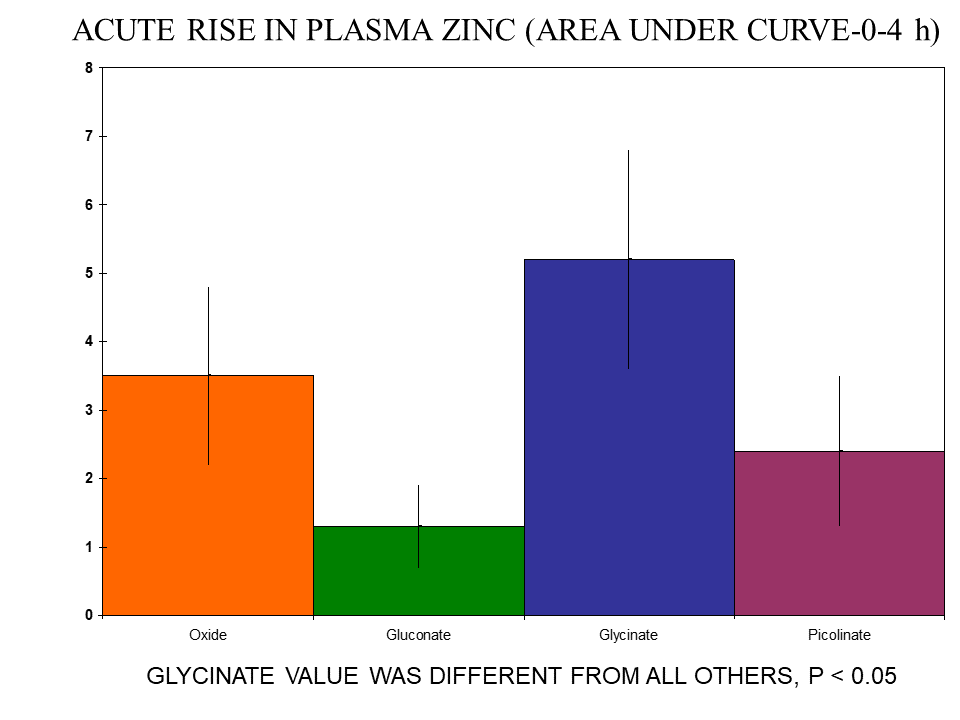
Figure 3: Zinc glycinate showing the highest uptake of zinc across four different zinc complexes in young adult women.[49]
Damage to the zinc-dependent enzyme systems in androgen synthesis is thought to be another mechanism linking zinc deficiency and the development of acne. Testosterone is converted to dihydrotestosterone (DHT), which influences sebaceous gland activity and results in the overproduction of sebum, follicular obstruction and skin cell keratinisation. This ultimately leads to a worsening of symptoms for skin pore related conditions.[50],[51]Conversion to DHT is driven by the enzyme 5-alpha reductase. Zinc inhibits 5-alpha reductase and, in turn, down-regulates DHT production and supports healthy androgen metabolism.
Adequate zinc status is important for optimising male reproductive health.
Another mechanism connecting zinc deficiency and acne development involves the retinol binding protein (RBP). RBP enables the transport of vitamin A to the tissues and its serum level reflects the levels of vitamin A in target organs. Zinc is essential for RBP synthesis and secretion by the liver. Zinc is also thought to influence vitamin A transport and utilisation, directly or indirectly, through certain enzymes and to prevent keratinisation and follicular obstruction.[52]
Numerous clinical trials have proved the efficacy of the use of zinc in acne. A multicentre, randomised, comparative, double-blind, controlled trial used 30 mg/d of elemental zinc or a broad-spectrum antibiotic (minocycline), for three months. The clinical success rate was 31.2% for zinc and 63.4% for minocycline in terms of achieving more than a two third decrease in inflammatory lesions, i.e. papules and pustules.[53]
Another study investigated whether the use of zinc significantly reduced the number of facial superficial lesions, i.e. papules and pustules. Subjects received 30 mg/day of elemental zinc orally for two months. The results demonstrated a statistically significant reduction from day 30 and a further reduction at day 60, confirming the efficacy of zinc in the reduction of inflammatory lesions in acne.[54]
Sperm Health
Zinc is important for male reproductive and sperm health. Zinc deficiency in men leads to several clinical signs, such as decreased spermatogenesis, altered sperm morphology and impaired male fertility. Given the pivotal role zinc plays as a cofactor in DNA transcription and protein synthesis, this is not surprising. DNA transcription is a major part of germ cell development, thus zinc is considered important for reproductive health.[55]
Sperm are protected against oxidative stress through zinc’s antioxidant properties. Oxidative stress causes extensive structural damage to sperm DNA, reduced sperm motility and defective sperm membrane integrity via lipid peroxidation. Reactive oxygen species (ROS) include hydroxyl radicals, superoxide anions and hydrogen peroxide, the principle source of which are leukocytes and sperm cytoplasm.[56]
A recent systematic review compared a number of studies to assess the effect of antioxidants on male fertility. This included the use of zinc upon semen variables and pregnancy rate, both as a sole antioxidant and in conjunction with other antioxidants. Three studies with zinc as a sole antioxidant were used. Motility improved in two studies and concentration improved in two studies. Pregnancy rate improved in the only study where this was examined. Four studies looked at zinc in conjunction with other antioxidants. Motility improved in 1 out of 3 studies and concentration improved in 2 out of 3 studies. Pregnancy rate improved in 1 out of 2 studies.[57] These results highlight the importance of an adequate zinc status for optimising male reproductive health.
Additional Information
- Currently, there is no sensitive and specific biomarker that is able to detect zinc deficiency in humans. Low plasma or serum zinc levels are typically used as a biomarker of zinc status in populations and in intervention studies. However, measuring plasma or zinc status has a number of limitations, including a lack of sensitivity to detect marginal zinc deficiency, depression in response to inflammation, and diurnal variation.[58],[59]
| Biochemical and Physiological Functions of Zinc[60],[61],[62],[63] |
| Functional Class | Examples of Key Functions | ||
|
Catalytic |
|
||
| Structural |
Tissue or cell growth (regulates protein synthesis) Cell membrane integrity Bone formation Skin integrity Cell mediated immunity and generalised host defence Superoxide dismutase (CuZnSOD): antioxidant defence |
||
| Regulatory |
Receptor mediated signal transduction Neurotransmitter release from synaptic vessels Packaging of insulin into pancreatic granules and subsequent release Antigen dependent T cell activation Insulin-like growth factor binding Hormone release Apoptosis (gene directed cell death) |
Cautions and Contraindications
Contraindications
None
Moderate Level Cautions
- Phenobarbital: Pyridoxine at doses above 200 mg daily can reduce plasma levels of the anticonvulsant phenobarbital. High doses of pyridoxine should be avoided in people on this medication.[64],[65]
- Phenytoin: Pyridoxine at doses above 200 mg daily can reduce plasma levels of the anticonvulsant phenytoin. High doses of pyridoxine should be avoided in people on this medication.[66],[67]
- Chemotherapy/Radiotherapy: It has generally been thought that antioxidants may interfere with chemotherapy and/or radiotherapy by decreasing the efficacy of the treatment. However recent studies have found that antioxidants are safe to use in conjunction with these treatments. Nonetheless, it is still advisable to check with a patient’s oncologist before recommending a formula containing antioxidants.[68],[69]
Low Level Cautions
- Amiodarone: Conflicting information exists regarding potential interactions between amiodarone and pyridoxine. Case reports suggest that pyridoxine could exacerbate amiodarone-induced photosensitivity. Mechanisms for this effect are unknown. Monitor patient for signs of photosensitivity.[70],[71]
- Amiloride: Conflicting information exists regarding the potential interactions between amiloride and zinc. Amiloride has been reported to both reduce zinc excretion (leading to zinc accumulation), and lead to zinc deficiency. Monitor zinc status.[72],[73]
- Antibiotics: Zinc and manganese may form insoluble complexes with certain antibiotic medications. Separate doses by at least 2 hours.[74],[75]
- NSAIDs: Zinc may form insoluble complexes with certain NSAIDs. Separate doses by at least 2 hours.[76],[77]
Pregnancy and Breastfeeding
- Pregnancy: While there is evidence to support the use of these ingredients during pregnancy and a review did not identify concerns for use, Practitioner discretion is advised.
- Breastfeeding: Safe to use.[78],[79],[80],[81],[82],[83]
References
[1] Dawson S, Editor. Top 10 warning signs of zinc deficiency you shouldn’t ignore. [Online]. 2013. Available from: www.positivemed.com/2013/11/03/top-10-signs-zinc-deficiency/. [Cited 03/01/17].
[2] King JC, Cousins RJ. Zinc. In: Shils ME, Shike M, Ross AC, et al. (editors). Modern Nutrition in Health and Disease. Philadelphia: Lippincott, Williams, Wilkins. 2006:280.
[3] Oregon State University. Linus Pauling Micronutrient Information Centre. Zinc. [Online]. 2017. Available from http://lpi.oregonstate.edu/mic/minerals/zinc. [Cited 28/01/16]
[4] Lowe NM, Fekete K, Decsi T. Methods of assessment of zinc status in humans: a systematic review. The American Journal of Clinical Nutrition. 2009;89:2040S-51S.
[5] Lowe NM, Fekete K, Decsi T. Methods of assessment of zinc status in humans: a systematic review. The American Journal of Clinical Nutrition. 2009;89:2040S-51S.
[6] Lowe NM, Fekete K, Decsi T. Methods of assessment of zinc status in humans: a systematic review. The American Journal of Clinical Nutrition. 2009;89:2040S-51S.
[7] Foster M, Samman S. Vegetarian diets across the lifecycle: impact on zinc intake and status. Advances in Food and Nutrition Research. 2015;74:1043-4526.
[8] Gibson R. Heath AL. Population groups at risk of zinc deficiency in Australia and New Zealand. Nutrition and Dietetics. 2011;68:97-108.
[9] Hunt J. Bioavailability of iron, zinc, and other trace minerals from vegetarian diets. American Journal of Clinical Nutrition. 2003;78:633S-9S.
[10] Sandstead H. Zinc deficiency: a public health problem? American Journal of Diseases of Children. 1991;145(8):853-9.
[11] Gibson R. Heath AL. Population groups at risk of zinc deficiency in Australia and New Zealand. Nutrition and Dietetics. 2011;68:97-108.
[12] Gropper SS, Smith JL, Groff JL. Water soluble nutrients: vitamin B6. In: Advanced nutrition and human metabolism. 5th ed. Belmont (CA): Wadsworth, Cengage Learning. 2013:325-329.
[13] Higdon J. Manganese. In: An evidence-based approach to vitamin and minerals. New York: Thieme. 2003:50-51.
[14] Braun L, Cohen M. Zinc In: Herbs and natural supplements: an evidence based guide. 3rd ed. Sydney: Elsevier/Churchill Livingstone. 2010:1037-1051.
[15] Prasad A, Meftah S, Abdallah J, et al. Serum thymulin in human zinc deficiency. J Clin Invest. 1988;(82):1202-1210.
[16] Beck FW, Prasad AS, Kaplan J, et al. Changes in cytokine production and T cell subpopulations in experimentally induced zinc-deficient humans. Am J Physiol. 1997 Jun;272(6 Pt 1):E1002-7.
[17] Braun L, Cohen M. Zinc In: Herbs and natural supplements: an evidence based guide. 3rd ed. Sydney: Elsevier/Churchill Livingstone. 2010:1037-1051.
[18] Beck FWJ, Prasad AS, Kaplan J, et al. Changes in cytokine production and T cell subpopulations in experimentally induced zinc deficient humans. The American Physiological Society. 1997;0193-1849.
[19] Beisel WR. Single nutrients and immunity. Am J Clin Nutr. 1982 Feb;35(2 Suppl):417-68
[20] Percival M. Nutritional support for connective tissue repair and wound healing. Connective Tissue Research 2. 1997:1-4.
[21] Lansdown AB, Mirastschijski U, Stubbs N, et al. Zinc in wound healing: theoretical, experimental, and clinical aspects. Wound Repair Regen. 2007 Jan-Feb;15(1):2-16.
[22] Braun L, Cohen M. Zinc In: Herbs and natural supplements: an evidence based guide. 3rd ed. Sydney: Elsevier/Churchill Livingstone. 2010:1037-1051.
[23] Gropper SS, Smith JL, Groff JL. Micro minerals: Zinc. In: Advanced nutrition and human metabolism. 6th ed. Belmont (CA): Wadsworth, Cengage Learning. 2013:500-518.
[24] Lansdown AB, Mirastschijski U, Stubbs N, et al. Zinc in wound healing: theoretical, experimental, and clinical aspects. Wound Repair Regen. 2007 Jan-Feb;15(1):2-16.
[25] Braun L, Cohen M. Zinc In: Herbs and natural supplements: an evidence based guide. 3rd ed. Sydney: Elsevier/Churchill Livingstone. 2010:1037-1051.
[26] Chien XX, Zafra-Stonea S, Bagchia M, et al. Bioavailability, antioxidant and immune-enhancing properties of zinc methionine. BioFactors 2006;27(1-4):231-244.
[27] Zorilla P, Gomez LA, Salido JA, et al. Low serum zinc levels as a predictive factor of delayed wound healing in total hip replacement. Wound Repair Regen. 2006;14:119-122.
[28] Braun L, Cohen M. Zinc In: Herbs and natural supplements: an evidence based guide. 3rd ed. Sydney: Elsevier/Churchill Livingstone. 2010:1037-1051.
[29] Lansdown AB, Mirastschijski U, Stubbs N, et al. Zinc in wound healing: theoretical, experimental, and clinical aspects. Wound Repair Regen. 2007 Jan-Feb;15(1):2-16.
[30] Young B, Ott L, Kasarskis E, et al. Zinc supplementation is associated with improved neurologic recovery rate and visceral protein levels of patients with severe closed head injury. J Neurotrauma. 1996 Jan;13(1):25-34.
[31] Oregon State University. Linus Pauling Micronutrient Information Centre. Manganese. [Online]. 2017. Available from: http://lpi.oregonstate.edu/mic/minerals/manganese. [Cited 14/03/16].
[32] Percival M. Nutritional support for connective tissue repair and wound healing. Connective Tissue Research 2. 1997:1-4.
[33] Bedwal RS, Baghuguna A. Zinc, copper and selenium in reproduction. Experientia. 1994 Jul;15;50(7):626-40.
[34] Higdon J. Manganese. In: An evidence-based approach to vitamin and minerals. New York: Thieme. 2003:50-51
[35] Gropper SS, Smith JL, Groff JL. Micro minerals: Zinc. In: Advanced nutrition and human metabolism. 6th ed. Belmont (CA): Wadsworth, Cengage Learning. 2013:500-518.
[36] Rahmad K. Studies on free radicals, antioxidants and co -factors. Clinical Interventions in Aging. 2007;2(2):219-23
[37] Rahmad K. Studies on free radicals, antioxidants and co -factors. Clinical Interventions in Aging. 2007;2(2):219-236.
[38] Gropper SS, Smith JL, Groff JL. Micro minerals: Zinc. In: Advanced nutrition and human metabolism. 6th ed. Belmont (CA): Wadsworth, Cengage Learning. 2013:500-518.
[39] Lonnerdal B. Dietary factors influencing zinc absorption. J Nutr. 2000 May;130 (5S Suppl):1378S-83S.
[40] Gropper SS, Smith JL, Groff JL. Micro minerals: Zinc. In: Advanced nutrition and human metabolism. 6th ed. Belmont (CA): Wadsworth, Cengage Learning. 2013:500-518
[41] Lonnerdal B. Dietary factors influencing zinc absorption. J Nutr. 2000 May;130 (5S Suppl):1378S-83S.
[42] Akhter S, Shamsuzzaman AK, Banarjee M, et al. Serum zinc status of rural women taking combined oral contraception. Mymensingh Med J. 2005 Jul;14(2):128-32.
[43] Walsh CT, Sandstead HH, Prasad AS, et al. Zinc: health effects and research priorities for the 1990s. Environmental health perspectives. 1994 Jun;102(Suppl 2):5.
[44] Albion Research Notes. A compilation of vital research updates on human nutrition. Vol 13. No 1. Zinc: A Mineral of Complex Biological Activity. 2004.
[45] Allen LH. Zinc and micronutrient supplements for children. The American Journal of Clinical Nutrition. 1998 Aug 1;68(2):495S 8S.
[46] DiSilvestro RA, Koch E, Rakes L. Moderately high dose zinc gluconate or zinc glycinate: effects on plasma zinc and erythrocyte superoxide dismutase activities in young adult women. Biological Trace Element Research. 2015 Nov 1;168(1):11-4.
[47] Amer M, Bagat MR, Tosson Z, et al. Serum zinc in acne vulgaris. International Journal of Dermatology. 1982;(21):481-484.
[48] Amer M, Bagat MR, Tosson Z, et al. Serum zinc in acne vulgaris. International Journal of Dermatology. 1982;(21):481-484.
[49] Disilvestro RA, Swan M. Comparison of four commercially available zinc supplements for performance in a zinc tolerance test. Int J Environ Res Public Health. 2010;7:1342-1365.
[50] Sarris J. Wardel J. Acne vulgaris. In: Clinical Naturopathy: an evidence-based guide to practice. Sydney: Elsevier/Churchill Livingstone. 2010:463-476.
[51] Amer M, Bagat MR, Tosson Z, et al. Serum zinc in acne vulgaris. International Journal of Dermatology. 1982;(21):481-484.
[52] Amer M, Bagat MR, Tosson Z, et al. Serum zinc in acne vulgaris. International Journal of Dermatology. 1982;(21):481-484.
[53] Dreno B, Moyse D, Alirezai M, et al. Multicentre randomized comparative double blind controlled clinical trial of the safety and efficacy of zinc gluconate versus minocycline hydrochloride in the treatment of inflammatory acne vulgaris. Dermatology. 2001;(203):135-140.
[54] Dreno B, Moyse D, Alirezai M, et al. Multicentre randomized comparative double blind controlled clinical trial of the safety and efficacy of zinc gluconate versus minocycline hydrochloride in the treatment of inflammatory acne vulgaris. Dermatology. 2001;(203):135-140.
[55] Dreno B, Moyse D, Alirezai M, et al. Multicentre randomized comparative double blind controlled clinical trial of the safety and efficacy of zinc gluconate versus minocycline hydrochloride in the treatment of inflammatory acne vulgaris. Dermatology. 2001;(203):135-140.
[56] Dreno B, Moyse D, Alirezai M, et al. Multicentre randomized comparative double blind controlled clinical trial of the safety and efficacy of zinc gluconate versus minocycline hydrochloride in the treatment of inflammatory acne vulgaris. Dermatology. 2001;(203):135-140.
[57] Ross C, Morriss A, Khairy M, et al. A systematic review of the effect of oral antioxidants on male infertility. Reproductive Biomedicine Online. 2010;(20):711-723
[58] Lowe NM, Fekete K, Decsi T. Methods of assessment of zinc status in humans: a systematic review. The American Journal of Clinical Nutrition. 2009;89:2040S.
[59] Brown KH, Peerson JM, Rivera J, et al. Effect of supplemental zinc on the growth and serum zinc concentrations of prepubertal children: a meta-analysis of randomised controlled trials. The American Journal Clinical Nutrition. 2002;75:1062-71.
[60] Braun L, Cohen M. Zinc In: Herbs and natural supplements: an evidence based guide. 3rd ed. Sydney: Elsevier/Churchill Livingstone. 2010:1037-1051.
[61] Gropper SS, Smith JL, Groff JL. Micro minerals: Zinc. In: Advanced nutrition and human metabolism. 6th ed. Belmont (CA): Wadsworth, Cengage Learning. 2013:500-518.
[62] Oregon State University. Linus Pauling Micronutrient Information Centre. Zinc. [Online]. 2017. Available from: http://lpi.oregonstate.edu/mic/minerals/zinc. [Cited 28/01/16].
[63] King JC, Cousins RJ. Zinc. In: Shils ME, Shike M, Ross AC, et al. (editors). Modern Nutrition in Health and Disease. Philadelphia: Lippincott, Williams, Wilkins. 2006:280.
[64] Natural Medicines. Vitamin B6. [Online]. 2016. Available from: https://naturalmedicines.therapeuticresearch.com/databases/food,-herbssupplements/professional.aspx?productid=934. [Cited 08/03/17].
[65] Braun L, Cohen M. Vitamin B6 In: Herbs and natural supplements: an evidence based guide. 3rd ed. Sydney: Elsevier/Churchill Livingstone. 2010:949-56.
[66] Natural Medicines. Vitamin B6. [Online]. 2016. Available from: https://naturalmedicines.therapeuticresearch.com/databases/food,-herbssupplements/professional.aspx?productid=934. [Cited 08/03/17].
[67] Braun L, Cohen M. Vitamin B6 In: Herbs and natural supplements: an evidence based guide. 3rd ed. Sydney: Elsevier/Churchill Livingstone. 2010:949-56.
[68] Simone CB 2nd, Simone NL, Simone V, et al. Antioxidants and other nutrients do not interfere with chemotherapy or radiation therapy and can increase kill and increase survival, part 1. Altern Ther Health Med. 2007 Jan-Feb;13(1):22-28.
[69] Simone CB 2nd, Simone NL, Simone V, et al. Antioxidants and other nutrients do not interfere with chemotherapy or radiation therapy and can increase kill and increase survival, part 2. Altern Ther Health Med. 2007 Jan-Feb;13(1):28-39.
[70] Natural Medicines. Vitamin B6. [Online]. 2016. Available from: https://naturalmedicines.therapeuticresearch.com/databases/food,-herbssupplements/professional.aspx?productid=934. [Cited 08/03/17].
[71] Braun L, Cohen M. Vitamin B6 In: Herbs and natural supplements: an evidence based guide. 3rd ed. Sydney: Elsevier/Churchill Livingstone. 2010:949-56.
[72] Natural Medicines. Zinc. [Online]. 2017. Available from: https://naturalmedicines.therapeuticresearch.com/databases/food,-herbssupplements/professional.aspx?productid=982. [Cited 22/05/17].
[73] Braun L, Cohen M. Zinc In: Herbs and natural supplements: an evidence based guide. 3rd ed. Sydney: Elsevier/Churchill Livingstone. 2010:1037-1051.
[74] Natural Medicines. Zinc. [Online]. 2017. Available from: https://naturalmedicines.therapeuticresearch.com/databases/food,-herbssupplements/professional.aspx?productid=982. [Cited 22/05/17].
[75] Natural Medicines. Manganese. [Online]. 2015. Available from: https://naturalmedicines.therapeuticresearch.com/databases/food,-herbssupplements/professional.aspx?productid=182. [Cited 22/05/17].
[76] Natural Medicines. Zinc. [Online]. 2017. Available from: https://naturalmedicines.therapeuticresearch.com/databases/food,-herbssupplements/professional.aspx?productid=982. [Cited 22/05/17].
[77] Braun L, Cohen M. Zinc In: Herbs and natural supplements: an evidence based guide. 3rd ed. Sydney: Elsevier/Churchill Livingstone. 2010:1037-1051.
[78] Natural Medicines. Vitamin B6. [Online]. 2016. Available from: https://naturalmedicines.therapeuticresearch.com/databases/food,-herbssupplements/professional.aspx?productid=934. [Cited 08/03/17].
[79] Natural Medicines. Zinc. [Online]. 2017. Available from: https://naturalmedicines.therapeuticresearch.com/databases/food,-herbssupplements/professional.aspx?productid=982. [Cited 22/05/17].
[80] Natural Medicines. Manganese. [Online]. 2015. Available from: https://naturalmedicines.therapeuticresearch.com/databases/food,-herbssupplements/professional.aspx?productid=182. [Cited 22/05/17].
[81] Natural Medicines. Vitamin B6. [Online]. 2016. Available from: https://naturalmedicines.therapeuticresearch.com/databases/food,-herbssupplements/professional.aspx?productid=934. [Cited 08/03/17].
[82] Natural Medicines. Zinc. [Online]. 2017. Available from: https://naturalmedicines.therapeuticresearch.com/databases/food,-herbssupplements/professional.aspx?productid=982. [Cited 22/05/17].
[83] Natural Medicines. Manganese. [Online]. 2015. Available from: https://naturalmedicines.therapeuticresearch.com/databases/food,-herbssupplements/professional.aspx?productid=182. [Cited 22/05/17].
This Site is intended as an information resource for Practitioners, and should not be substituted for medical advice, diagnosis or treatment.
Order Metagenics Practitioner Only Medicines